Category: Issues

Jeff Marr headlined the May Practical Water Wisdom event hosted by Itasca Waters

Jeff Marr spoke about the recent, in-progress, and future wake research being done at the University of Minnesota’s St. Anthony Falls Laboratory.

Please note that if you can’t attend the May 31 webinar hosted by Minnesota Lakes and Rivers Advocates, the Zoom session and the slide presentation from the Itasca Waters session are available.

Great Lakes water for sale!!!

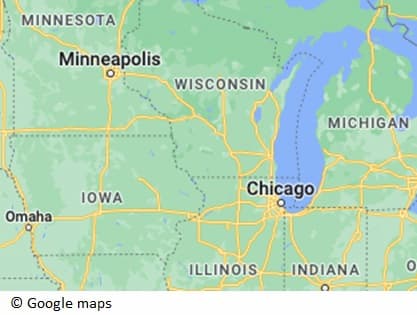
Bloomberg News recently wrote that the City of Chicago “signed a contract valued at $1 billion to sell its water elsewhere — the first such deal in 40 years — and the city expects more to come. Illinois is also launching a federally funded plan to expand its $17 billion “Blue Economy” to lure companies from water-intensive chip manufacturers to climate-tech startups.”

This is one of the newest actions in the ongoing water wars regarding shipping water from the Great Lakes to other locations.

MN COLA participating in U of MN biocontrol agents for AIS technology readiness work group

MAISRC-banner-graphic-brown-and-gold

MN COLA has been invited to a collaborative work group of scientists, regulators, and water community stakeholders for measuring and communicating the readiness of genetic biocontrol agents for aquatic invasive species (AIS).  Efficient communication is critical for first-in-class technologies because misunderstandings or failure to communicate can jeopardize regulatory approval or public adoption.

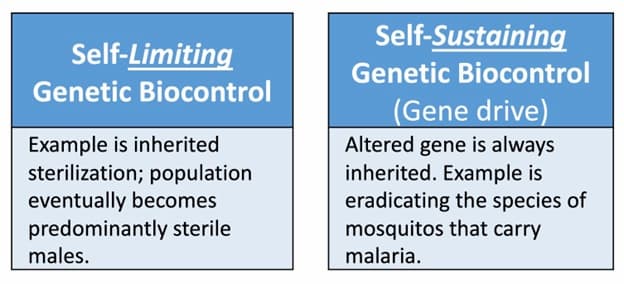
This team of diverse stakeholders will establish a shared language for discussing the development of self-limiting genetic biocontrol methods for AIS.  A framework, focusing on technology readiness levels, will offer a roadmap for socially responsible technology development.  The model case will be using self-limiting genetic biocontrol agents for carp.

Additionally, the group will explore self-sustaining genetic biocontrol frameworks.

two-panel-describing-two-methods-of-biocontrol

The work group is hosted by the Minnesota Aquatic Invasive Species Research Center (MAISRC), and the roadmap development is led by the Genetic Engineering and Society Center, North Carolina State University. More information about the carp self-limiting genetic biocontrol technology at MAISRC can be found here. Kathy Jonsrud, MN COLA Treasurer, attended the two-day workshop in May of 2023.  

Join MAISRC for eDNA Surveillance this summer!

MAISRC-logo

MAISRC is looking for citizen scientists to help on a project to do eDNA surveillance this summer on Island Lake Reservoir, Lake Vermillion, Lower Prior Lake, and Shagawa Lake. If you live near these lakes and are interesting in helping the U, then this opportunity is for YOU!

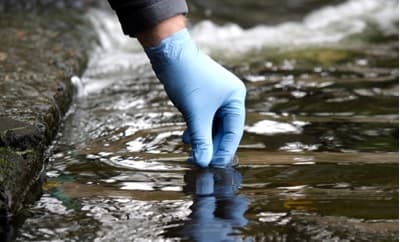
Join the newest MAISRC project testing a citizen science approach for detecting aquatic invasive species using eDNA. The research team will provide volunteers with sampling dates, materials, and protocols in order to assess the accuracy of eDNA monitoring, and investigate the prevalence of high priority aquatic invasive species like zebra mussels, rusty crayfish, spiny waterflea, and common carp in Minnesota.

Researchers are learning about how effective volunteers are at detecting AIS with the hope of scaling this project up to detect aquatic invasives throughout Minnesota.

Visit the project website for more information about the project, and perhaps sign up to help the U on this important activity.

Rare report of zebra mussel attached to lake chub

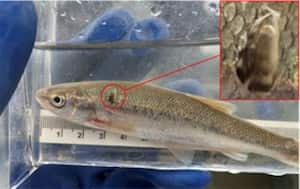
Photo: Jaclyn Hill

No, this is not news from The Onion, but a research report published in Biological Invasions on March 6, 2023. This was a rare case of a zebra mussel attached by byssal threads to the lateral scales of a 6” lake chub. In the abstract, the authors note that Charles Darwin had previously recognized the potential for this kind of animal-assisted dispersal to occur. Also of note is that in 1882 Darwin published research entitled “On the dispersal of freshwater bivalves”

Hennepin County with U of M Extension offers free AIS Detector training in May

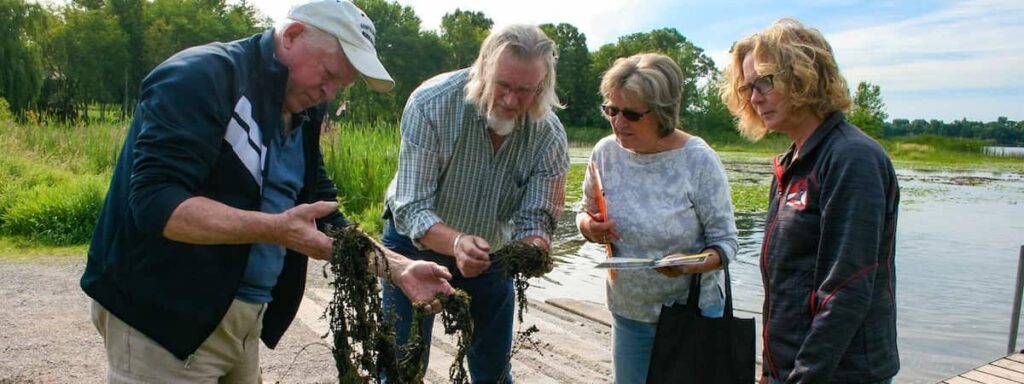
four-people-at-boat-ramp-looking-at-lake-weeds
AIS Detectors documenting lake weeds

Partnering with the U of M Extension, Hennepin County is hosting two free aquatic invasive species (AIS) detector course options this spring.

The course is an introduction to AIS science, identification, and surveillance. You will learn how to identify and report invasive species, best practices for preventing the spread of AIS, relevant rules and regulations, and how to search for AIS on your own.

This course consists of two portions: a self-paced online course and an in-person workshop with the instructors. The self-paced online course takes approximately 8 hours to complete and must be completed prior to the in-person workshop.

In-person workshop options (only 1 day required):

  • Friday, May 5 in Minneapolis from 9 am to 5 pm
  • Friday, May 12 in Wayzata from 9 am to 5 pm

Learn more and register

(Note: Expand section EXT XFO.0063 – Minneapolis for the Minneapolis session and EXT XFO.0063 – Wayzata for the Wayzata session)

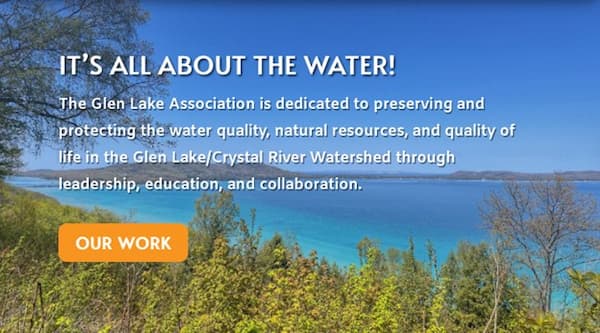
Michigan’s Glen Lake Association sets a high bar protecting water quality

glen-lake-MI-with-shoreline-in-foreground
Glen Lake, MI

Our Lake Resiliency topic at the March Membership meeting was a follow-up to December’s presentation on using drones for surface water management, but it was much more.

Rob Karner, the biologist for the Glen Lake Association in Michigan, took center stage and talked through their comprehensive approach to using their shoreline survey to drive water quality improvements. Rob was supported by Dennis Wiand and Ron Reimink who spoke about the drone technology in December.

Read More…

Help Wanted: MN COLA’s Legislative Agenda needs YOU!

The 2023 Minnesota Legislature convened on January 3rd with over sixty new members among the 67 Senators and 134 Representatives.  MN COLA has its work cut out to help make things happen on our Legislative Agenda to address our surface water quality issues, and we need your help!

Read on to get insights into the 2023 Legislative session, see the critical items on MN COLA’s Legislative Agenda, and get suggestions and next actions for you to take to help us in this truly important effort.

Read More…

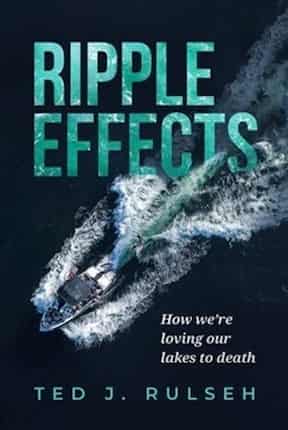
New Book about MN, WI and MI Lakes

The subheading tells it all… “we’re loving our lakes to death”. This book should be required reading by every shore owner. The author describes how we’ve gotten to this point, what all the big issues are, and in the last chapter he poses some solutions. It’s published by the University of Wisconsin Press and you can get it from all major book retailers.

The go-to resource for lake dwellers and lake advocates of the Upper Midwest

Lakes are among the Upper Midwest’s greatest treasures and most valuable natural resources. The Great Lakes define the region, and thousands of smaller lakes offer peace, joy, and recreation to millions. And yet, in large part because of the numbers of people who enjoy the local waterways, the lakes of Wisconsin, Michigan, and Minnesota face numerous challenges. Invasive species, pollution, defective septic systems, inadequate shoreland zoning laws, and climate change are present and increasingly existential threats. We are, quite possibly, loving our lakes to death.

Read More…

LCCMR recommends funding 3rd phase of wake research

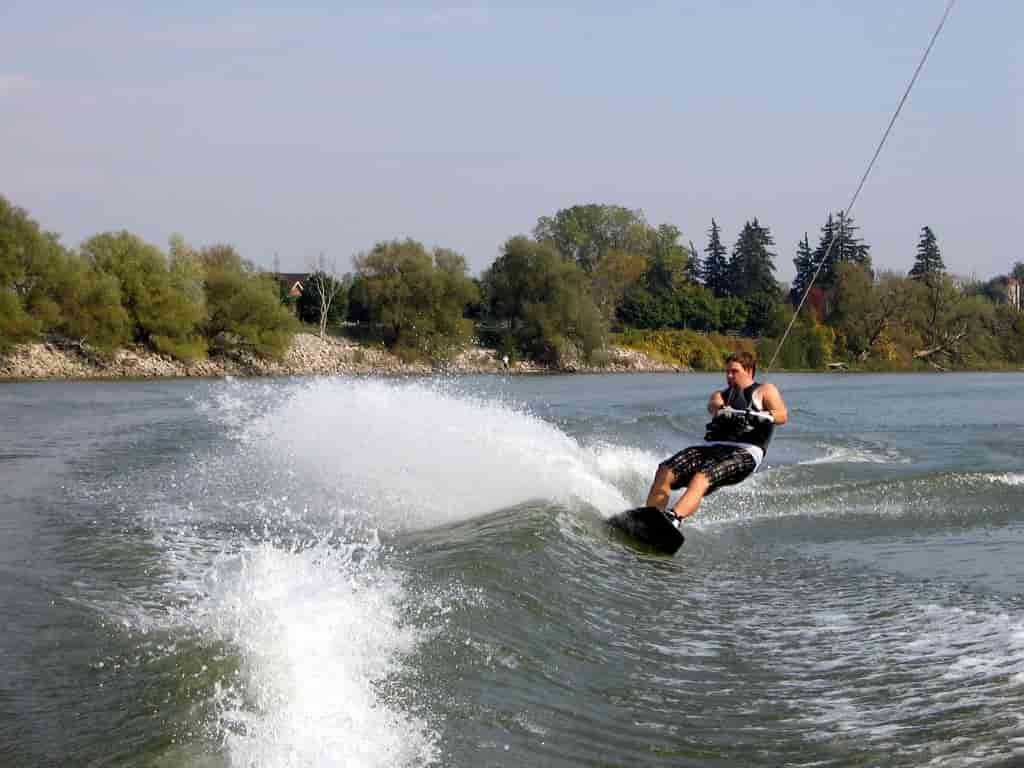
The 3rd phase of wake research will expand the U of MN’s existing research on boat generated waves and prop wash impacts, and will also research wind generated waves to parse out similarities and differences to boat generated waves.

The project was recommended by the LCCMR for approval by the MN Legislature in the Legacy funding bill in the session that started this month.

“It appears that the wake research team will receive funding for a Phase 3 study” said Andy Riesgraf, the Project Manager/Researcher for the Phase 2 wake study at the U of MN’s St. Anthony Falls Lab.

Read More…